



Aetherium Medical
Biologics: The Living Medicines Poised to Redefine Health—and How Aetherium Medical Is Helping to Deliver Them Years Sooner
Important: Please read the full disclaimers and risk information at the end of this document before making any decisions.

NEWS PROVIDED BY 
Feb 21, 2026, 08:32 ET
In a quiet hospital room in suburban America, 2026, a mother holds her eight-year-old son’s hand while the doctor speaks the words no parent wants to hear. A rare genetic disorder is relentlessly taking his mobility. Early trials of a new biologic therapy—engineered from living cells, precisely targeting the faulty molecular pathway—suggest it could stop the progression and perhaps restore what has been lost. Then comes the sentence that empties the room of hope: “It’s not approved here yet. Eight to twelve years, maybe longer.”
This is not fiction. It is the daily reality for millions facing cancer, autoimmune disease, neurodegenerative conditions, and rare disorders. The science is ready. The patients are desperate. The system is failing them.
What makes this moment different—and what makes the opportunity so profound—is the convergence of three unstoppable forces: the explosion of biologics, the accelerating power of artificial intelligence, and a smart, compliant infrastructure platform called Aetherium Medical that is building the bridge patients and innovators have been waiting for.
The Men Who Built the Bridge
For decades, Ivan Klarich, Aetherium’s Managing Director, has chased a singular mission: to place living medicines—engineered from living cells, not synthesized in laboratories—into the hands of patients the instant the science is ready.
His years at the forefront of biologics commercialization laid bare a stubborn reality. The therapies were unlocking unprecedented molecular precision and therapeutic power, yet the machinery built to deliver them remained trapped in the logic of small-molecule drugs and yesterday’s pharmaceuticals. Science was surging ahead. Infrastructure was standing still.
In 2010, as president of a U.S.-based cosmeceutical firm, Ivan recognized that the science in biologics was still immature—but the convergence he envisioned was inevitable. He brought on Don Heath, Aetherium’s President, to spearhead expansion into Japan and the broader Asia-Pacific region. Over the years that followed, Don forged a specialized distribution network for advanced biologics and temperature-sensitive therapeutics through deep, sustained partnerships with leading clinics and institutions. Rooted in the region’s exacting standards for quality, regulatory rigor, and clinical excellence, this network quietly became the operational backbone Aetherium would one day need—a foundation engineered to scale tomorrow’s therapies today.
Then, in 2024, the moment arrived. AI-powered breakthroughs in microbiology began producing compelling clinical signals in neurodegeneration, regenerative medicine, and oncology—the very outcomes Ivan had anticipated for years. The science had matured. The regulatory pathways had not.
The pieces aligned, and action followed. In 2025, Ivan and Don, pending TGNT team members, launched Aetherium Medical. Ivan supplied the strategic architecture honed across a career at the leading edge of biologics. Don delivered the APAC network he had built—trusted relationships, cold-chain mastery, and regulatory fluency spanning Japan, Thailand, South Korea, and beyond—primed to move at the speed of discovery.
Together, they constructed the bridge: fully compliant, ethically grounded, and operational now.
So the mother in that hospital room never has to hear “eight to twelve years.”
But to understand why Ivan and Don’s bridge is so critical—and why it’s poised to succeed—one must first grasp the revolution in biologics that’s reshaping medicine.
The Precision Powerhouses Reshaping Medicine
In the high-stakes world of modern therapeutics, few innovations have delivered more transformative impact than biologics—the complex, living medicines that are quietly rewriting the rules of treatment for cancer, autoimmune diseases, rare genetic disorders, and beyond. Unlike the familiar small-molecule pills that have dominated pharmacy shelves for decades, biologics are not synthesized in a beaker. They are grown, engineered, and harvested from living systems. This fundamental difference makes them both extraordinarily powerful and uniquely challenging.
For investors scanning the horizon of the next trillion-dollar healthcare wave, understanding biologics is not optional. It is essential. These are the drugs fueling the AI-accelerated pipeline, the ones driving medical tourism demand, and the very therapies that platforms like Aetherium Medical are built to deliver faster and more ethically to patients worldwide.
What Exactly Are Biologics?
Biologics are large, intricate molecules—typically proteins or protein-based complexes—produced by living cells through advanced biotechnology. The U.S. FDA defines them broadly to include a wide range of products derived from living sources: vaccines, blood components, gene therapies, tissues, and recombinant therapeutic proteins.
At their core, biologics are made by inserting a specific genetic code into host cells (often mammalian cells like Chinese hamster ovary cells, or microbial systems like yeast or bacteria). These cells then act as miniature factories, churning out the desired therapeutic protein. The result is a molecule that can be hundreds or even thousands of times larger and more complex than a traditional drug.
Think of a biologic as a custom-designed key forged in a biological workshop. It fits precisely into the molecular locks of disease pathways, blocking harmful signals, tagging diseased cells for destruction, or replacing missing proteins with surgical precision.
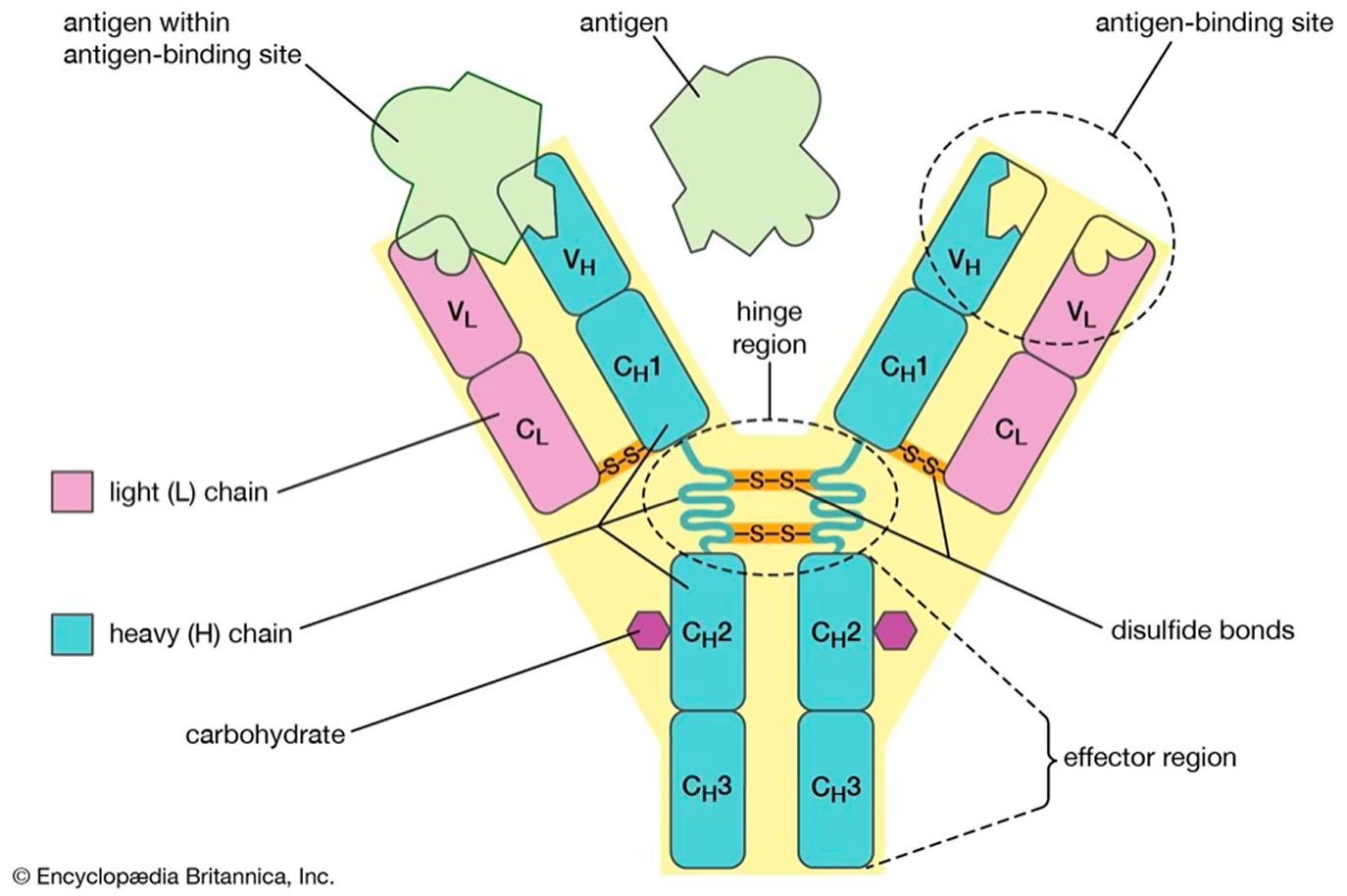
britannica.com
Monoclonal antibody | Definition, Hybridoma, & Human Monoclonal Antibody | Britannica
Left: The classic Y-shaped structure of a monoclonal antibody, one of the most successful classes of biologics. The variable regions (top) bind specifically to disease targets, while the constant regions recruit the immune system.
Small Molecules vs. Biologics: Why Size Matters
To appreciate biologics, contrast them with small-molecule drugs—the aspirins, statins, and chemotherapies of the 20th century:
| Aspect | Small Molecules | Biologics (Large Molecules) |
|---|---|---|
| Size | < 1,000 daltons (tiny) | 5,000 – 150,000+ daltons (huge, complex) |
| Production | Chemical synthesis in labs | Grown in living cells (bioreactors) |
| Structure | Simple, stable, identical copies | Complex 3D folding; can have variations |
| Administration | Often oral (pills) | Usually injected or infused (sensitive to digestion) |
| Target Specificity | Can hit many targets (more side effects) | Extremely precise; fewer off-target effects |
| Development Cost | Lower | Much higher (often $1B+) |
| Manufacturing | Predictable, scalable | Highly sensitive to process changes |
| Examples | Aspirin, Lipitor, chemotherapy | Humira, Keytruda, CAR-T therapies |
Small molecules are like blunt instruments—effective but sometimes indiscriminate. Biologics are laser-guided missiles. This precision is why biologics now dominate the top-selling drugs globally. In recent years, biologics have accounted for a growing share of new FDA approvals, with monoclonal antibodies leading the charge.
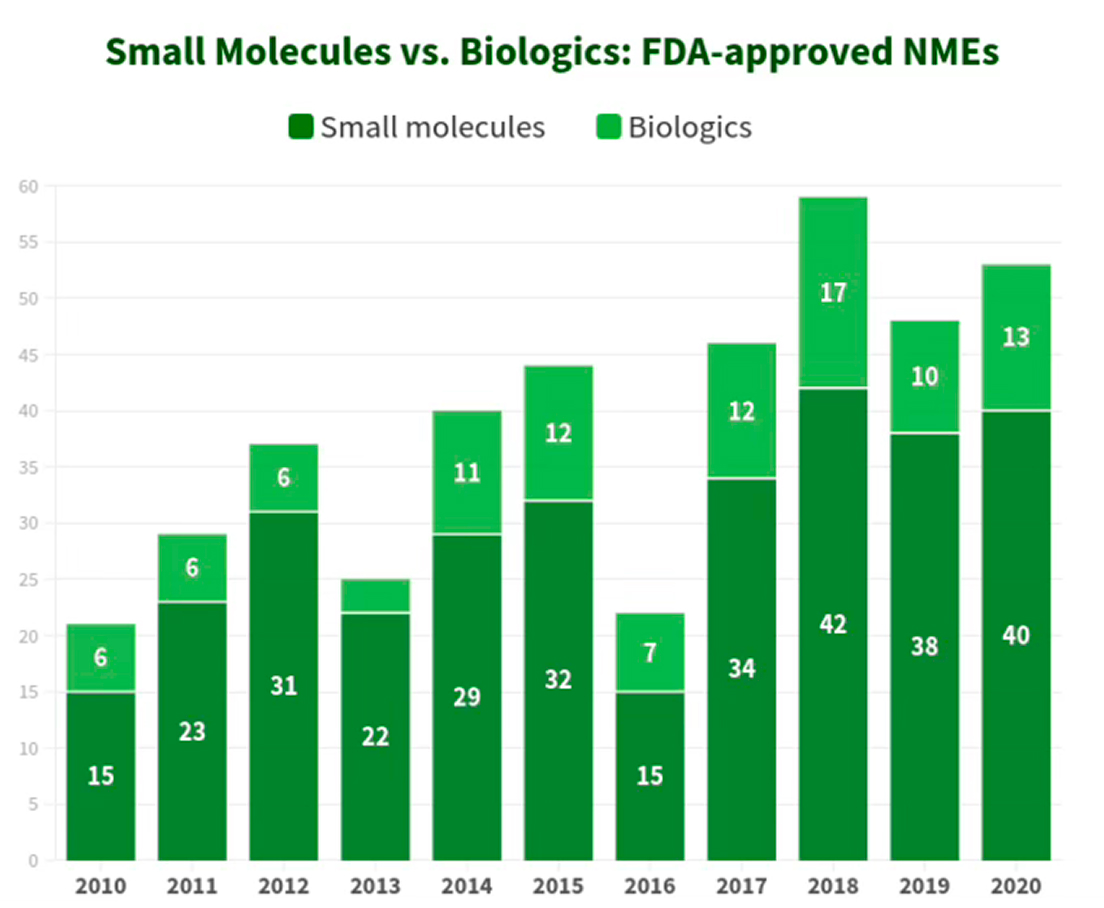
biopharmatrend.com
A Pharma Race of Biologics Vs Small Molecules
Left: The rising dominance of biologics in new drug approvals reflects their clinical advantages in complex diseases.
The Biologics Arsenal: Key Types and Real-World Impact
The biologics family is diverse and rapidly expanding:
1. Monoclonal Antibodies (mAbs): Engineered copies of the immune system’s sniper rifles. They bind to specific targets like tumor proteins (e.g., pembrolizumab/Keytruda in cancer immunotherapy) or inflammatory cytokines (e.g., adalimumab/Humira in rheumatoid arthritis and Crohn’s disease).
2. Fusion Proteins and Cytokines: These act as decoys or messengers. Etanercept (Enbrel) traps TNF-alpha to calm autoimmune flares.
3. Cell and Gene Therapies: The cutting edge. CAR-T therapies (like Kymriah or Yescarta) take a patient’s own T-cells, genetically reprogram them in the lab to hunt cancer, then reinfuse them. Early results in blood cancers have been nothing short of miraculous.
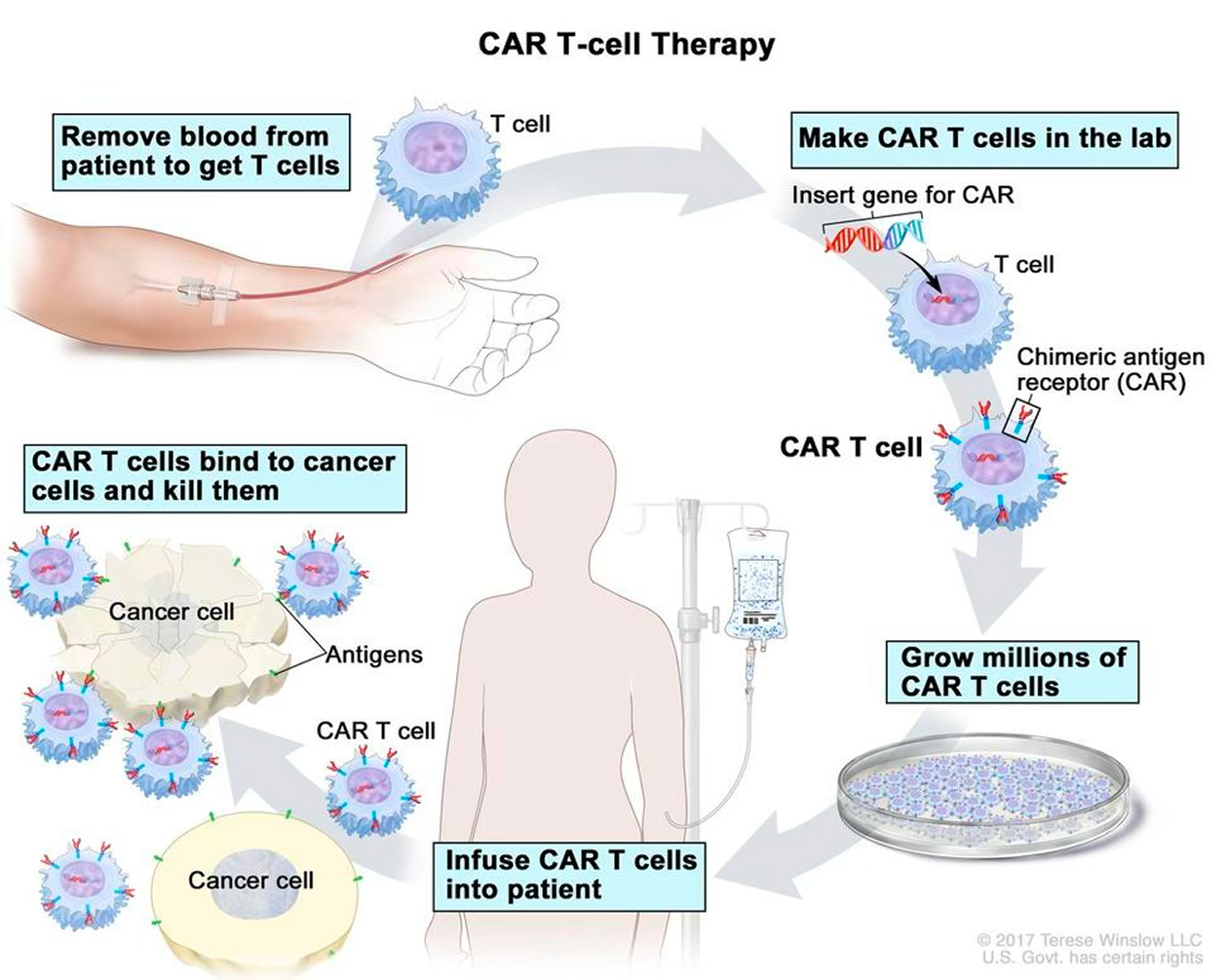
cancer.gov
T-cell Transfer Therapy - Immunotherapy - NCI
Left: The CAR-T process—harvesting, engineering, expanding, and reinfusing a patient’s immune cells—exemplifies the personalized power of advanced biologics.
4. Recombinant Proteins: Insulin for diabetes, clotting factors for hemophilia, growth hormones—these replaced animal-derived versions with safer, human-identical versions.
5. Regenerative and Advanced Therapies: Stem cell-derived products, oncolytic viruses, and CRISPR-edited cells are pushing into rare diseases and tissue repair.
These therapies don’t just manage symptoms—they often modify the underlying disease biology, offering hope where small molecules fall short.
The Manufacturing Marvel (and Its Inherent Challenges)
Producing a biologic is more like running a high-tech brewery than a chemical plant. It involves:
- Cell Line Development: Engineering cells to produce the protein at high yields.
- Upstream Processing: Growing massive cultures in bioreactors (often 10,000+ liters).
- Downstream Purification: Multiple chromatography steps to isolate the pure protein.
- Formulation and Fill-Finish: Stabilizing the fragile molecule for delivery.
Every batch must be virtually identical, yet subtle changes in temperature, pH, or nutrients can alter the product’s structure and function—a phenomenon called “process is the product.” This complexity drives costs: a single biologic facility can cost hundreds of millions to build, and scaling production remains an art as much as a science.
Cold-chain logistics are non-negotiable. Many biologics degrade if not kept at 2–8°C from factory to patient—creating massive infrastructure demands that traditional pharma supply chains often cannot meet.

biotechprimer.com
Biomanufacturing: How Biologics are Made
Left: Inside a modern biologics manufacturing facility—sterile bioreactors and precision control systems that turn living cells into life-saving medicines.
AI: The Accelerator Transforming Biologics Discovery
The real excitement in 2026 is how artificial intelligence is supercharging the entire biologics pipeline. Building on breakthroughs like AlphaFold, AI models can now predict protein structures with astonishing accuracy, design novel antibodies from scratch, optimize sequences for stability and manufacturability, and simulate how drug candidates will behave in the human body—long before they ever reach a patient.
Companies are slashing discovery timelines from years to months. AI-driven platforms screen billions of virtual candidates in hours, predict immunogenicity risks, guide cell-line engineering, and dramatically improve the odds of success in clinical trials. The result is a historic tsunami of new biologics entering the clinic: monoclonal antibodies, gene therapies, CAR-T and next-generation cell therapies, and regenerative medicines.
This AI-biologics convergence is driving explosive growth. The AI drug discovery market itself is projected to surge from roughly $3–7 billion in 2025 to $14–17 billion by 2033–2034. Meanwhile, the global biologics market—valued at approximately $400–487 billion in 2024–2025—is forecast to reach $653 billion by 2030, with some analysts projecting a path to $1.2 trillion by the mid-2030s.
The science is no longer the bottleneck. The science is ready. The patients cannot wait. And that is exactly why infrastructure platforms capable of moving these therapies to patients faster—safely, ethically, and at scale—are so strategically positioned at the center of the next trillion-dollar healthcare wave.
The Bottleneck: When Breakthrough Science Meets Regulatory Reality
For all their promise, biologics face three persistent bottlenecks that the old system was never designed to handle:
- Time: 8–12+ years for full approval.
- Cost: Eye-watering prices (often $100,000+ per year per patient) and manufacturing expenses that routinely exceed $2 billion per therapy.
- Access: Regulatory delays leave patients waiting while science races ahead.
Traditional pathways—FDA, EMA, and their peers—were built for caution in an era of simpler small-molecule drugs. For complex living medicines, that caution now translates into systemic failure. Patients with aggressive cancers or rapidly progressing rare diseases do not have a decade. Biotech companies burn through capital while waiting for revenue. Physicians hesitate to mention unapproved options. Families are left in limbo.
Faced with this reality, sophisticated patients are already voting with their passports. The global medical tourism market—valued at $48–73 billion in 2025—is surging toward $146–250 billion by 2030–2034. A rapidly growing slice of that demand is for advanced biologics and regenerative therapies, especially in high-quality Asia-Pacific hubs.
The channel exists. It is real. But until now it has remained fragmented, inconsistent, and lacking professional infrastructure. This is exactly where Aetherium Medical becomes indispensable.
Aetherium Medical: The Essential, Compliant Bridge
Aetherium Medical, pending acquisition by TGNT, is not developing a single drug. As Ivan and Don envisioned, it is building the foundational “picks and shovels” infrastructure for the entire biologics revolution—an Infrastructure-as-a-Service platform that connects the push of innovative therapies from biotech companies with the pull of patients who need them now.
The platform rests on three proven pillars:
- Specialized Logistics: Over 15 years of near-flawless cold-chain execution for temperature-sensitive biologics.
- Turnkey Commercialization: Regulatory navigation, clinical relationships, patient selection, and seamless onboarding.
- Ethical Governance: World-class standards for informed consent, independent ethics review, and standardized outcome tracking that satisfy the strictest regulators.
At the heart of Aetherium is its proprietary dual-track regulatory strategy—a masterstroke that generates revenue today while building the data that accelerates approvals tomorrow.
Track 1 – Non-Traditional (Immediate Access)
Promising sophisticated Japanese clinics via established, ethical medical tourism channels in as little as 9–15 months. Japan’s Sakigake designation—its fast-track for pioneering regenerative and advanced therapies—has already delivered conditional approvals for breakthroughs like HeartSheet for heart failure and Stemirac for spinal cord injury. Aetherium’s exclusive relationships with 20+ premium, accredited specialty clinics ensure every case is conducted under rigorous oversight: diverse patients, long-term follow-up, and regulator-grade real-world evidence.
Patients receive treatment privately. Biotech partners generate non-dilutive revenue early. And high-quality data begins to accumulate.
Track 2 – Traditional (Accelerated Approval)
The real-world data from Track 1—outcomes, safety profiles, optimal dosing, and natural history insights for rare diseases—feeds directly into formal submissions to the FDA, PMDA, EMA, and others. This creates stronger dossiers, supports breakthrough designations, and can meaningfully shorten overall timelines. External comparators and robust safety packages reduce uncertainty in reviews.
The virtuous cycle is powerful: cash flow funds further development, real-world evidence de-risks approvals, valuations rise years earlier, and more innovators join the platform.
Built on a Proven Foundation
Aetherium is not starting from zero. It is scaling what it describes as a foundational business with approximately $10 million in annual revenue (unaudited, pre-acquisition figures; subject to verification in due diligence).
The operation has commercialized advanced therapies through word-of-mouth reputation alone, built proprietary networks of key opinion leaders, and demonstrated unmatched execution.
The business model is elegantly diversified and built for scale:
- Platform Access Fees — High-margin revenue from strategy, navigation, and setup.
- Distribution Margins — Recurring, volume-scaled percentages on every therapy that flows through.
- Equity Portfolio — Strategic stakes in accelerated biotech partners, offering significant long-term upside.
Strategic Focus on APAC: The Perfect Launchpad
Japan provides regulatory agility and clinical excellence. Thailand leads in patient volume with government support and 64 JCI-accredited facilities. South Korea, Malaysia, and Singapore add innovation and specialty depth. Aetherium’s dual-launch strategy leverages Japan for speed while tapping the broader region for scale.
The Only Complete Bridge in a Crowded Field
Logistics giants have cold chain but lack clinical depth. Big Pharma has expertise but rarely supports competitors. Consultants advise; regional distributors lack neutrality and scale. Aetherium combines clinical excellence, global infrastructure, platform neutrality, and proven APAC execution. It is the neutral orchestrator the industry has needed.
The Flywheel Effect and Generational Opportunity
Every therapy integrated spins the flywheel faster: Track 1 revenue flows, data accumulates, Track 2 approvals accelerate, valuations rise, more innovators join, credibility compounds. Patients gain earlier access. Biotech achieves capital efficiency. Aetherium captures value at every layer.
At the perfect storm of AI-accelerated discovery, a biologics market racing toward $1 trillion, medical tourism exceeding $200 billion, and patients demanding faster access, Aetherium sits at a once-in-a-generation inflection point.
The Future Is Arriving—On Time
For patients: access to tomorrow’s best therapies today, delivered ethically in accredited settings.
For biotech innovators: early revenue, regulator-strengthening data, and a faster path to global success.
For TGNT investors: the proposed acquisition: potential for a platform with diversified revenue streams, subject to successful closing and integration (see Risks below).
The old system served its purpose. The biologics revolution demands better. Aetherium Medical is not bypassing rules—it is building the smarter, parallel infrastructure the era requires.
The bridge is open. The living medicines are here. And for the first time, hope does not have to wait.
Note: On February 11, 2026, Totaligent, Inc. (OTCID: TGNT) executed a binding Letter of Intent (LOI) to acquire Aetherium Medical's team, intellectual property, network relationships, business plan, and related assets in a non-cash transaction. Upon closing (targeted around March 5, 2026, subject to due diligence, definitive agreements, and other conditions), Aetherium Medical LLC will become a wholly owned subsidiary of TGNT, with Ivan Klarich appointed as Managing Director. This editorial discusses Aetherium's platform and potential in the context of this proposed acquisition. For full details, refer to TGNT's SEC filings, including the Form 8-K filed on February 12, 2026.
This editorial draws on company materials, independent market research from Grand View Research and Fortune Business Insights, and peer-reviewed insights into regulatory frameworks including Japan’s Sakigake system. Market data as of early 2026. For investment or medical decisions, consult qualified professionals.
Certain statements in this editorial, including but not limited to projections of market growth (e.g., biologics to $1.2 trillion), revenue potential, strategic benefits, flywheel effects, and outcomes for patients, innovators, or investors, are forward-looking statements within the meaning of the Private Securities Litigation Reform Act of 1995. These statements are based on current expectations, estimates, and assumptions and involve known and unknown risks, uncertainties, and other factors that may cause actual results, performance, or achievements to differ materially from those expressed or implied. Such factors include but are not limited to: failure to complete the Aetherium acquisition; integration challenges; regulatory approvals or changes; market competition; fluctuations in biologics demand; supply chain disruptions; geopolitical risks in APAC; and other risks detailed in Totaligent's SEC filings (e.g., Form 10-K, 10-Q, 8-K). Forward-looking statements are not guarantees of future performance, and undue reliance should not be placed on them. Totaligent undertakes no obligation to update or revise any forward-looking statements, whether as a result of new information, future events, or otherwise, except as required by law.
While Aetherium's platform holds significant potential, the proposed acquisition and its execution involve risks, including: (1) The transaction may not close due to due diligence findings, material adverse changes, or failure to satisfy conditions; (2) Integration risks, such as operational scaling and regulatory compliance in APAC; (3) Revenue concentration if early sponsors are limited; (4) Geopolitical and supply chain disruptions; (5) OTC trading risks for TGNT stock, including limited liquidity, volatility, and potential dilution from the S-1 registration statement; (6) No guarantees of market growth projections or platform success. For a full discussion, refer to TGNT's SEC filings on EDGAR (e.g., latest Form 10-K and 8-K dated February 12, 2026).
This editorial draws on company materials... For investment or medical decisions, consult qualified professionals. This is not an offer to sell or solicitation to buy securities. Information is as of February 21, 2026, and may become outdated; refer to TGNT's latest SEC filings for updates. This material will be updated upon material changes, such as acquisition closing, but check latest SEC filings for real-time info.